Suffer-culture in academia
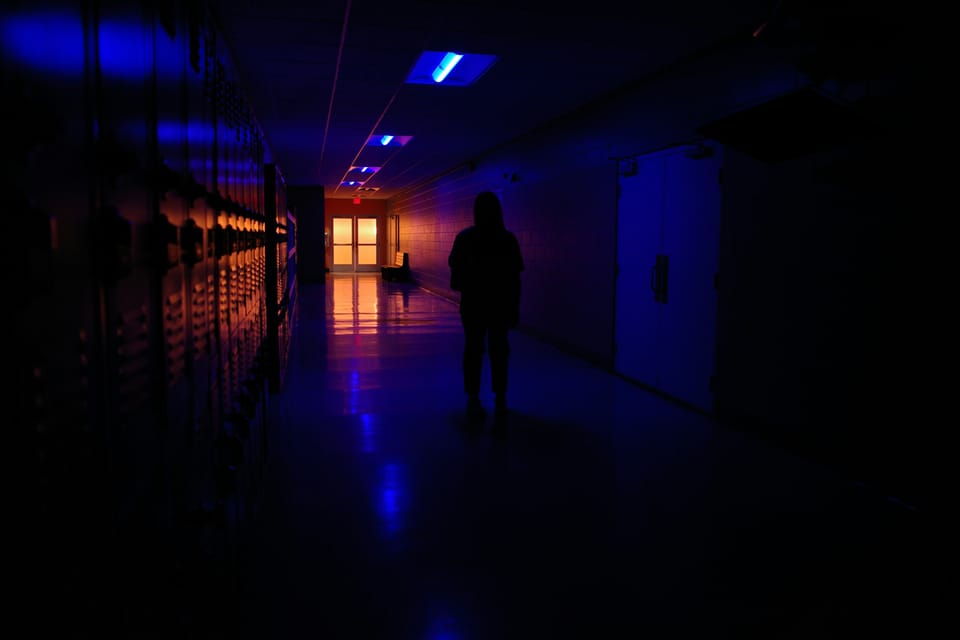
“I spent the holidays in the lab.”
“I started at 5.00 this morning.”
Have you ever had that person in your team that made sure to explicitly share that they have been working during crazy hours, every single time they had to do that? (I have, and what a pleasant person to listen to.)
These types of glorifications are sometimes thrown around as if they were achievements. Even though it’s not strange to work overtime or do experiments on weekends, if you are a researcher. Probably everyone has done it. It most certainly is not a special accomplishment.
And framing it as a way of saying “I’m better than you” makes it a problem, in my opinion.
Academia is known for its suffer-culture. This is definitely heightened (and even expected) in some countries and less so in others. But I will not name names here..
I have seen suffer-culture being encouraged in two main ways: an expectation of working overtime continuously (not just occasionally) and purposefully withholding help or advice.
I was in the lab last night and you were not there
Is it more productive to work 24/7?
I think it depends where you are in the project timeline. If you are answering reviewers’ comments and you only have 3 months to resubmit, it’s a race against time. In my opinion, this is the only time where working 24/7 makes sense, but without consuming yourself. Short stretches of these sprints are sometimes necessary and may even come from within as we feel responsible and even excited to get to the end.
But working overtime like this is no way to live. And to discover. How creative can you be if you are constantly doing experiments? If you are exploring, you need time to think to come up with ideas. This balance is key.
I would argue that if you have more time to think, read and plan, you will need to do less experimental work.
But alternatively, if your lab is very rich, you can just keep throwing money and reagents to the problems, work 150% and “only” do experiments.
What sounds better?
Rite of passage (toxic)
I cannot remember where I have heard this sentence, but I do remember it came from a well-established researcher:
“If you have to work during the weekend, it means you are bad at planning your experiments.”
Well, tell that to cells that require daily media changes (I’m looking at you, iPS cells). Or a long-term experiment with many time-points that no matter how you plan it, will always fall on a weekend.
When you are working in someone else’s lab, you (sometimes unfortunately) will have to go along with their style of working. What workload or schedule will your PI accept? It might be tied to the way they were trained themselves. “This is how I have done it during my PhD, so you will do the same” is a very shortsighted point of view, but one I have seen being implemented too many times. Some PIs tend to “ration” the advice/help they are willing to give and think that independence comes from suffering alone in a corner. It almost feels at times that these types of supervisors seek revenge on the way they were (perhaps unfairly) treated. “I went through this rite of passage, and now it’s your turn.”
We don’t all function the same way (and at the same time)
During an internship, I realized at some point that I had never met one of the lab members. He was quite a senior researcher and I found out that he only worked at night. He was a key member of the team (right hand of the PI) and fully contributed to the research.
How can we assume that every person functions in the same way, or that every project has the same cadence and the same way of “unfolding”? What works for one will obviously not always work for another (concerning both people and projects).
Obviously, it would be very difficult to convince your PI to change their ways but my advice here is to research the lab you want to work in. Make sure you can function in the way they expect and that your working style fits with theirs. You might not be able to get this information directly from the PI.
But here is an advice I got from a wise person:
“Talk to the postdocs and PhD students.
Then, talk to them again after two beers.”

Comments ()